REVIEW · KOTOR
Handmade Pasta Cooking Class with Italian Chef in Montenegro
Book on Viator →Operated by Pasta by Beppe · Bookable on Viator
Hands-on food lessons are my favorite kind. In this Kotor class, you roll, cut, and fill Italian-style pasta in a home villa with chef hosts who keep it relaxed and practical. You’ll choose between ravioli in the morning or tagliatelle in the afternoon, then sit down to taste your work with a glass of local Montenegrin wine.
I love that the time is spent doing real work, not just watching. You help with sauce prep, then you mix and shape your own dough using safe cutting procedures, so you leave knowing what should feel right. I also really like the printed recipe at the end, since it turns the experience into something you can repeat at home.
One consideration: this is a focused 3-hour cooking session, so you won’t get a long, multi-course dinner. If you have dietary restrictions, you’ll want to mention them at booking so the plan can match what you need.
In This Review
- Key highlights I think you’ll care about
- A handmade pasta class, set up like a real home kitchen
- Morning ravioli vs afternoon tagliatelle: choose what you want to master
- How the 3 hours are structured (and why that pacing works)
- The real lesson: sauce first, then dough skills
- Sauce prep: you learn the logic, not just the ingredients
- Dough work: mixing, rolling, and cutting with guidance
- Cooking and tasting: the payoff moment with local wine
- Meet the hosts: why kindness and patience matter in a kitchen class
- Recipe to take home: the smartest part of the value
- Price and what you’re really paying for ($51.59 per person)
- Who should book (and who might want a different style of tour)
- FAQ
- FAQ
- How long is the handmade pasta class?
- What pasta will I make?
- Is this a private activity?
- Do I get to taste the pasta and is there a drink included?
- Will I receive a recipe to take home?
- Do they accommodate dietary requirements?
- Where does the class start and where does it end?
- Is there any food safety information provided?
- Should you book this handmade pasta class in Kotor?
Key highlights I think you’ll care about
- You pick your pasta style: morning ravioli with spinach and ricotta, or afternoon tagliatelle with ragù
- Chef-guided from sauce to shaping: you learn both the sauce steps and the dough work
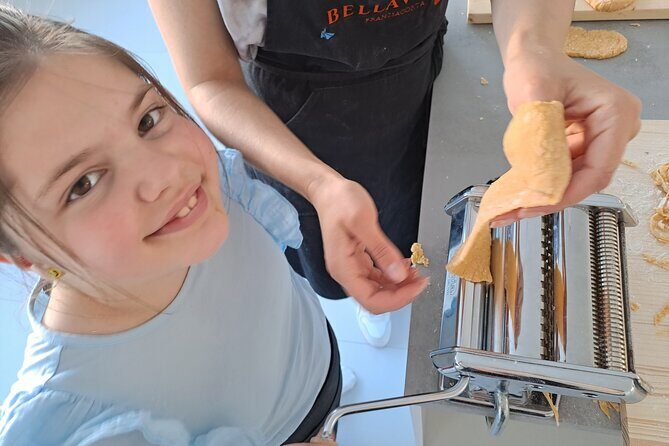
- Hands-on learning, not a demo: you roll and cut the dough yourself using safe food-cutting procedures
- Taste your own pasta with local wine: you finish by eating what you made, plus a glass of Montenegrin wine
- Take-home printed recipe: a practical reference so you can cook it again later
- Food safety standard: the experience is HACCP certified for food hygiene and safety in 2023
A handmade pasta class, set up like a real home kitchen
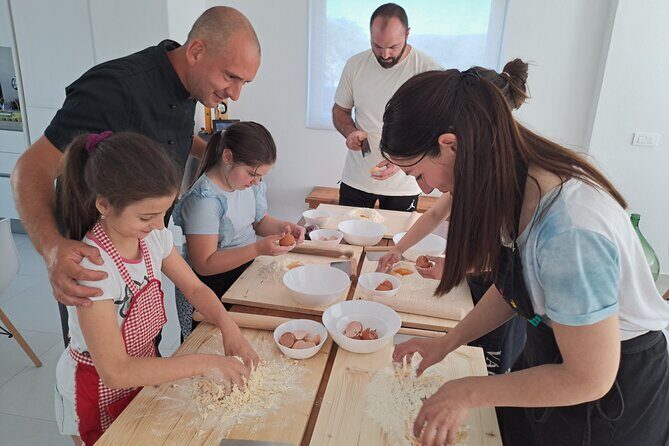
This is a handmade pasta cooking class in Kotor, run through Pasta by Beppe, hosted at a villa in Đuraševići. It’s private, meaning only your group participates, so you can ask questions and move at your own pace instead of being squeezed into a large crowd.
The vibe is simple: you’re welcomed to the kitchen, meet the chef and your group, then you get to work right away. There’s also a small but meaningful detail in how it’s described: they’re HACCP certified for food hygiene and safety (2023), which matters when you’re handling ingredients and cooking together.
If you’re the type who likes learning why things work, not just what to do, you’ll probably appreciate the structure. You start with sauce prep, then shift into pasta making, and finish with a shared meal of your own pasta.
Other cooking classes in Kotor
Morning ravioli vs afternoon tagliatelle: choose what you want to master
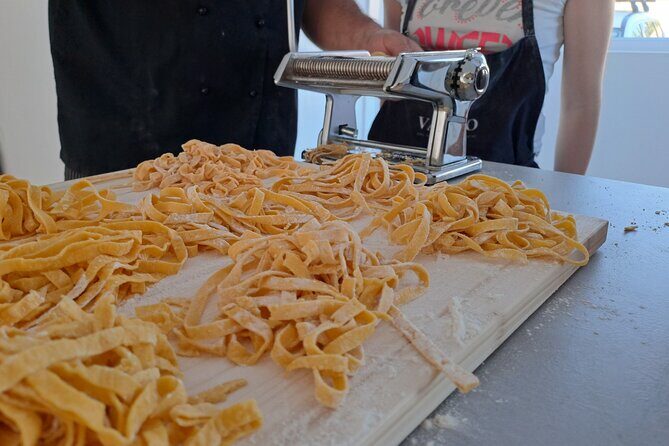
This class gives you a clear choice, and it’s one of the best ways to make the most of your time. In the morning group, you’ll make ravioli filled with spinach and ricotta. In the afternoon group, you’ll make tagliatelle topped with ragù, basically a Bolognese-style meat sauce.
Here’s how I’d think about the choice when booking:
- If you want a more delicate, hands-on filling and shaping experience, pick the ravioli session. You’ll learn how to work with filled pasta, which usually feels more “special occasion” when you cook it later.
- If you want something a bit sturdier and very satisfying to plate, go for tagliatelle with ragù. Tagliatelle has that classic ribbon shape, and the ragù gives you a sauce you can reuse with other pastas later.
Either way, the chef host guides you through the steps. The fact that both options are taught in the same overall format is a good value: you’re not getting a totally different experience depending on the time slot. You’re getting the same quality of instruction and the same end-of-class tasting.
How the 3 hours are structured (and why that pacing works)
The class runs about 3 hours, and it’s built around a smooth rhythm: welcome, sauce, pasta, then cooking and tasting. You meet at the listed spot in Đuraševići (9MWM+5XJ, Montenegro). Then the activity ends back at the meeting point.
You’ll typically start with introductions. That might sound minor, but it matters in a cooking class. When you know who you’re cooking with and who’s guiding you, it’s easier to relax into the hands-on parts instead of feeling rushed.
From there, you move into sauce prep. The chef explains what they’re doing and helps you assist with the process while the sauce is being created. Once that’s going, the class shifts to making pasta dough and shaping it—either ravioli or tagliatelle depending on the group.
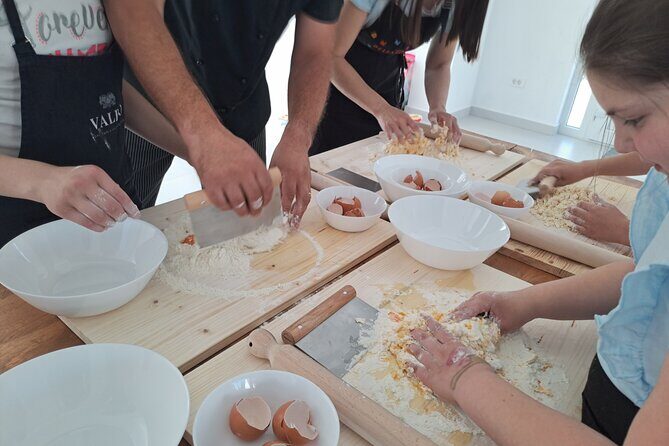
The key is that the hands-on work isn’t a token step. You’ll be mixing, rolling, and cutting dough with safe food-cutting procedures. You’ll then prepare the pasta for cooking, so by the time you sit down, the meal is connected to the effort you just did.
The real lesson: sauce first, then dough skills
A lot of pasta classes only focus on shaping. This one teaches you both sauce and pasta making, which is exactly what helps if you want to recreate the result at home.
Sauce prep: you learn the logic, not just the ingredients
You’ll help prepare the sauce and learn how the chef builds it. Even if you’re not memorizing every flavor detail, you should walk away with a better instinct for what makes a sauce taste Italian at home: timing, texture, and balance.
The afternoon menu uses ragù (Bolognese-style sauce). That means you’re looking at a sauce you can turn into a repeatable staple, not just a one-time class dish.





Dough work: mixing, rolling, and cutting with guidance
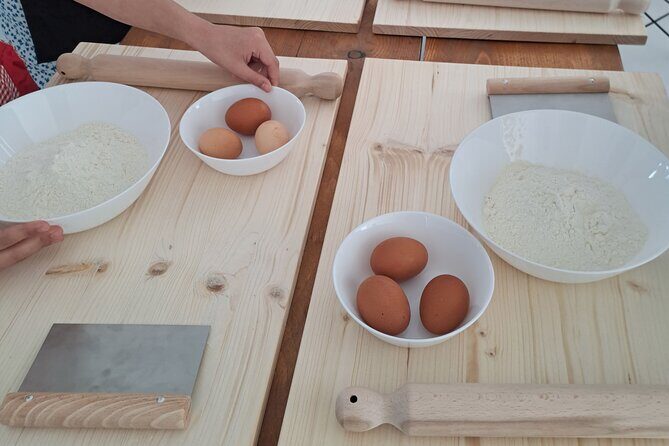
Once the sauce is ready, it’s time for the dough. You’ll mix, roll, and cut it, then get the pasta ready for cooking. These are the exact steps that separate pasta that feels good from pasta that turns out tough or uneven.
If you’ve ever tried making pasta at home and wondered why it didn’t feel right, the rolling and cutting part is where this class can save you time later. You get feedback during the process, which is hard to replicate from a recipe alone.
Cooking and tasting: the payoff moment with local wine
After the pasta is prepared, everything is cooked and it’s time to sit down and enjoy. This is where the class earns its keep: you taste what you made while it’s still fresh and at its best.
You’ll have your handmade pasta served with the planned sauce (ragù for tagliatelle, and your filled ravioli preparation for the morning group). And you’ll also get a glass of local Montenegrin wine, which turns the meal into a proper finish.
One of the strongest signals from the experience description is that the tasting is shared together as a group. That matters, because cooking classes can feel like separate stations where everyone finishes at different times. Here, the structure encourages you to celebrate the result as a team.
Meet the hosts: why kindness and patience matter in a kitchen class
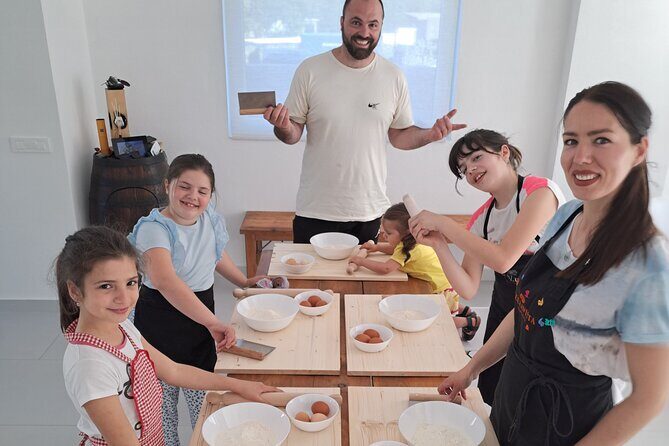
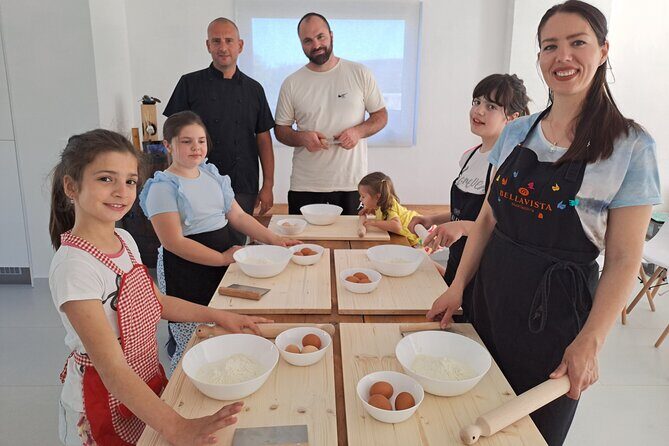
Chef hosts are a big deal in any cooking lesson, and the energy here is repeatedly described as welcoming and patient. Chef Giuseppe and Monika are named in participant feedback, and you can expect a friendly, conversational style that keeps you from panicking when dough gets sticky or your first attempt isn’t perfect.
In a hands-on class, patience isn’t a “nice to have.” It’s what lets you actually learn. If someone rushes you, you end up following steps blindly. If someone slows down, you start understanding texture, pressure, and timing—which is the real souvenir.
You’ll also likely find it easy to talk during pauses, since the vibe is more home kitchen than formal workshop. That’s a big part of why this kind of class feels memorable beyond the food.
Recipe to take home: the smartest part of the value
At the end of the course, all participants are offered a printed recipe of the handmade pasta. That’s one of the best ways to protect your investment, because it makes the class more than an afternoon activity.
Without a recipe you trust, “I learned it” turns into “I’ll try later.” With a printed guide, you can recreate the steps when the memory is still fresh. It also helps if you want to repeat just one part—like the sauce method or the dough technique—rather than trying to recreate the entire meal perfectly on day one.
If you like having something tangible in your luggage, this checks that box. It’s also the most practical way to bring Montenegro and Italian cooking together on your own schedule.
Price and what you’re really paying for ($51.59 per person)
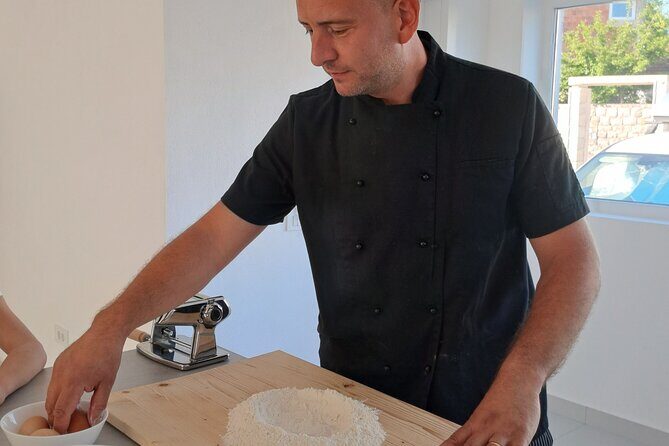
At $51.59 per person, this is not a throwaway experience. It’s also not priced like a luxury tasting menu. The value comes from what’s included and how the time is used: you get structured instruction from a chef, hands-on pasta making (dough work, rolling, cutting, shaping), a sauce component, and then you eat the result with wine.
The private-group format also affects value. You’re not competing for attention in a large class. That’s why the price feels more reasonable once you think about the amount of coaching you receive over three hours.
Another small point that signals demand: it’s commonly booked about 16 days in advance on average. That’s not a guarantee you should book early, but it’s a sign you may want to lock in your preferred time slot if you care about ravioli vs tagliatelle.
Who should book (and who might want a different style of tour)
This class is a great fit for people who want skills, not just photos. If you enjoy cooking, tasting, or learning how food is made, you’ll likely feel satisfied at the end because you did every major step yourself.
You’ll probably enjoy it if you:
- want a hands-on Italian cooking experience in the Kotor area
- like small-group dynamics or private activities
- enjoy sauces and want something you can cook again at home
- want a meal that ends your work session, not just a take-a-photo moment
You might think twice if:
- you want a long, leisurely dinner-style schedule (this is focused and time-limited)
- you expect a huge variety of dishes (it centers on one pasta type per session)
- you have dietary restrictions and haven’t planned to communicate them at booking
FAQ
FAQ
How long is the handmade pasta class?
The class lasts about 3 hours.
What pasta will I make?
You can choose either a morning session where you make ravioli with spinach and ricotta filling, or an afternoon session where you make tagliatelle with ragù (Bolognese sauce).
Is this a private activity?
Yes. It’s private, so only your group participates.
Do I get to taste the pasta and is there a drink included?
Yes. At the end, you’ll taste the handmade pasta together with a glass of local Montenegrin wine.
Will I receive a recipe to take home?
Yes. At the end of the course, participants receive a printed recipe of the handmade pasta.
Do they accommodate dietary requirements?
If you have dietary requirements or restrictions, you should advise them at the time of booking.
Where does the class start and where does it end?
It starts at 9MWM+5XJ, Đuraševići, Montenegro, and ends back at the meeting point.
Is there any food safety information provided?
The experience provider is HACCP certified for food hygiene and safety in 2023.
Should you book this handmade pasta class in Kotor?
If you want a real skill you can take home, yes, I’d book it. The combination of chef-guided instruction, hands-on dough work, and a tasting that includes a glass of local wine makes it feel like more than a simple activity.
Choose your session based on what you want to learn: ravioli for filled pasta practice, or tagliatelle with ragù for a classic sauce-and-ribbon combination. And if you have dietary needs, book with those details early so you get the version that fits you best.
If your travel style is hands-on, curious, and food-focused, this is exactly the kind of Kotor experience that turns a day into a memory you can actually recreate.