REVIEW · KOTOR
Mini Montenegro Private Tour to Njegusi, Cetinje, Budva and Kotor
Book on Viator →Operated by Transfers-Montenegro.me · Bookable on Viator
Switchbacks, royal palaces, and seaside old towns. This mini private route is fun because you get the serpentine road views plus real culture stops and a Njegusi smoked ham and cheese tasting, with a guide who can answer questions (I even heard great things about Balsa’s driving and friendliness). One thing to plan for: the climbing route and winding turns mean you should be comfortable on the road and bring solid energy for walking.
For me, the best part is the pace. You’re in a private group with pickup and an air-conditioned vehicle, so the day feels efficient instead of frantic, even though it covers a lot of ground.
In This Review
- Key highlights you’ll feel right away
- The big picture: a mini Montenegro day that actually makes sense
- Kotor to Njegusi: the serpentine road, 25 switchbacks, and the legend of letter M
- Njegusi village tasting: smoked ham and cheese in a mountain setting
- Cetinje: walking in Montenegro’s royal capital (and taking a breather)
- Budva: the panoramic view at Vidikovac, then the old town within the walls
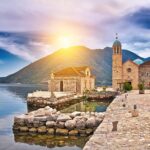
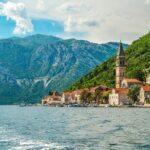
- Kotor Old Town: UNESCO walls, the Sea Gate, and finding the best squares
- Price and value: what you’re paying for, and what you might still cover
- Comfort, fitness, and road conditions you should plan for
- Who this private route suits best
- Should you book this Mini Montenegro Private Tour from Kotor?
- FAQ
- FAQ
- Where does the tour start?
- How long is the tour?
- Is pickup included?
- Which languages are available for the guide?
- What food is included?
- Are entrance fees included?
- Is this tour private?
- What happens if the weather is bad?
Key highlights you’ll feel right away
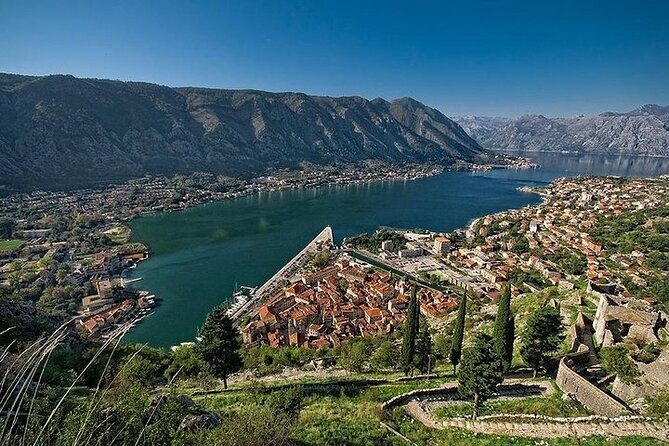
- 25 switchbacks on the serpentine road from Kotor toward Njegusi, with Bay of Kotor views
- Njegusi food tasting focused on smoked ham and cheese in a true mountain village setting
- Cetinje’s Petrović dynasty sites, including King Nikola’s Palace and the Cetinje Monastery area
- Budva old town time plus a photo stop at Vidikovac for panoramic sea views
- Kotor’s UNESCO Old Town walk, starting after the Sea Gate with time for coffee in the main square
The big picture: a mini Montenegro day that actually makes sense
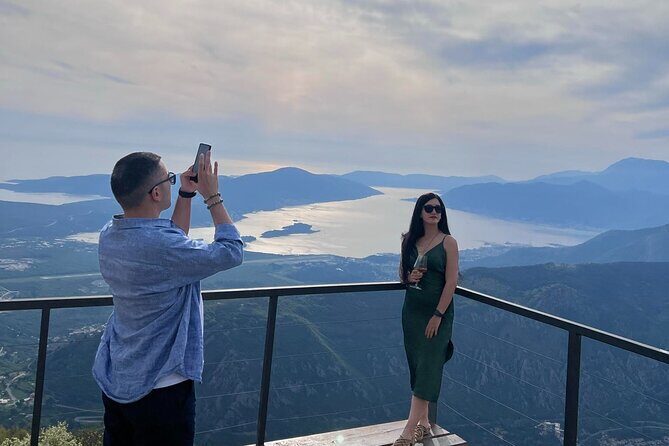
This tour is built like a greatest-hits circuit, but it doesn’t feel like a checklist. It strings together four places that sit in very different parts of Montenegro’s story: a mountain village known for food, a royal capital city, a coastal tourism hub with a walled old town, and then Kotor itself with its UNESCO Old Town vibe.
You’ll spend a lot of the day driving, but it’s not wasted driving. The climb out of Kotor is part of the experience. The route follows an older road tied to local legends, and the views over the Bay of Kotor are the kind that help you understand why people packed their homes and churches into these coastal corners.
The day also works well if you want a private setup without committing to a full long-distance tour. You get structured stops, guided context at key points, and enough free time to actually wander rather than just pose and move on.
Other Budva and Sveti Stefan tours we've reviewed in Kotor
Kotor to Njegusi: the serpentine road, 25 switchbacks, and the legend of letter M
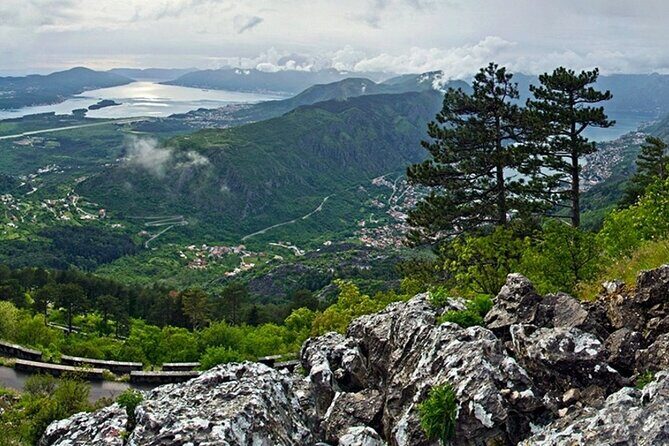
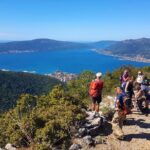
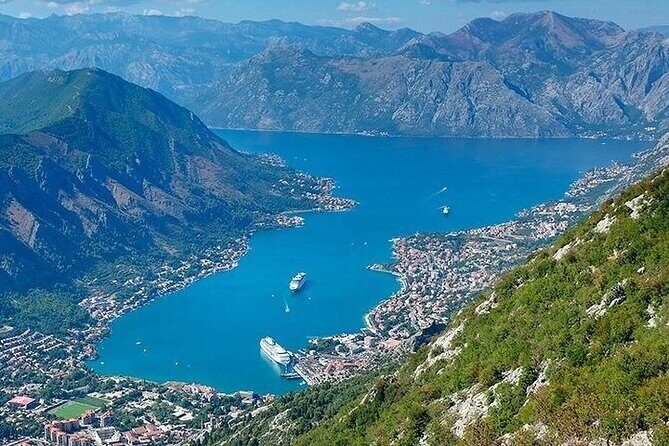
Your day starts in Kotor, then you begin climbing on the older road route toward Njegusi. The drive takes about an hour, and the highlight is the famous serpentine road with 25 switchbacks. If you like dramatic viewpoints, this is the moment where the day clicks into gear.
Along the way, you also get a story that turns a road into something you remember. There’s a local joke and legend about an M-shaped moat section on the stretch from Kotor toward Trojica. The tale links a designer named Josip Slade-Šilović to a modern road project after the Berlin Congress in 1878, and then the story shifts into romance and humor: the letter M is said to reflect a secret love for a Montenegrin princess, Milena. People in Cetinje kept the joke alive through writing and retelling, including a reference connected to writer Jovan J. Martinović.
Even if you don’t care about legends, the practical takeaway is this: the road gives you a steady stream of viewpoints. You’re not stuck looking forward the whole time. You’ll feel the terrain change—coast to mountain—while the guide explains what you’re seeing and why locals talk about it.
One consideration: if you’re prone to motion sickness, bring your usual precautions. This isn’t a calm highway cruise; it’s an active climb with curving turns.
Njegusi village tasting: smoked ham and cheese in a mountain setting
After a photo stop, you head into Njegusi, a typical Montenegrin mountain village. This is where the tour turns from scenic driving to lived-in culture.
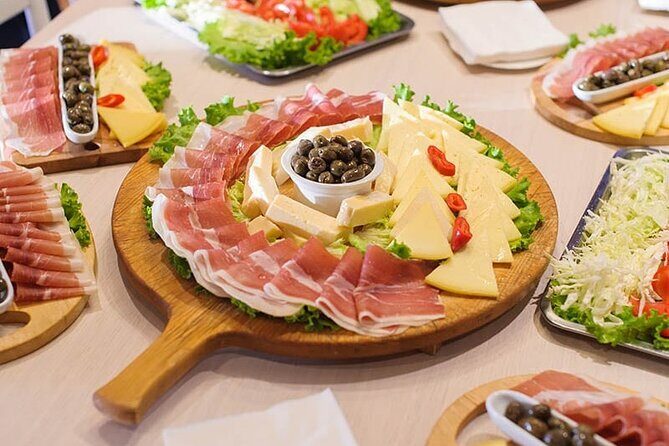
You get about 30 minutes here, and it’s built around tasting the village’s signature products—smoked ham and cheese. That short time limit matters. It’s not an all-day stop, so you don’t lose the rhythm of the entire circuit. And you get to focus on one thing Njegusi does well instead of spreading thin across a dozen places.
What I like about this stop is that it connects food to identity. Njegusi isn’t just a photo stop with souvenir trays. The tasting helps you understand why these products became famous worldwide, and it gives you a way to think about Montenegrin culture surviving through a turbulent region.
If you’re picky about timing, plan your day so you can enjoy it without rushing. Thirty minutes goes fast, especially if the group wants pictures and conversation.
Cetinje: walking in Montenegro’s royal capital (and taking a breather)
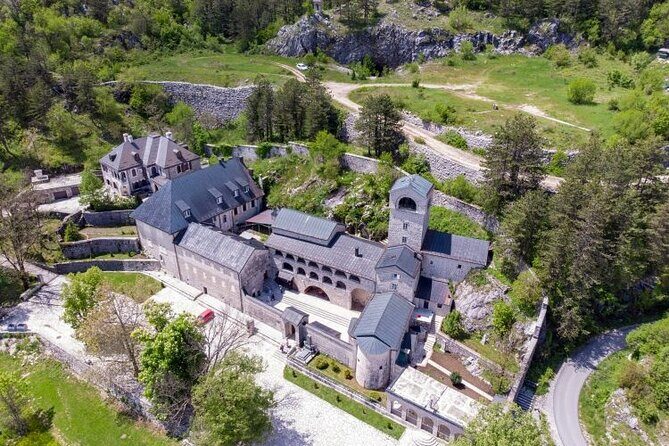
Next you travel to Cetinje, Montenegro’s historic capital. The drive from Njegusi to Cetinje is about half an hour, and once you arrive, the center is where the sense of old power lands.
Your guided stops focus on the Petrović dynasty, the family that ruled for more than 200 years. Expect to see and learn about major names and places tied to that era, including:
- Biljardu, described as the residence associated with bishop, writer, and philosopher Peter II Petrović Njegoš
- King Nikola’s Palace, where the guide introduces the life of the royal family
- Cetinje Monastery as part of the core cultural cluster
The tour then gives you free time. That’s a smart choice. Cetinje can feel calmer than the coast, and the quiet helps you reset. You can explore former embassies and take a break in a cafe if you want.
The drawback to know: since this stop includes a few big historic points, you’ll do some walking. It’s not presented as a hardcore trek, but the overall tour does note a requirement for strong physical fitness level, so wear comfortable shoes.
Budva: the panoramic view at Vidikovac, then the old town within the walls
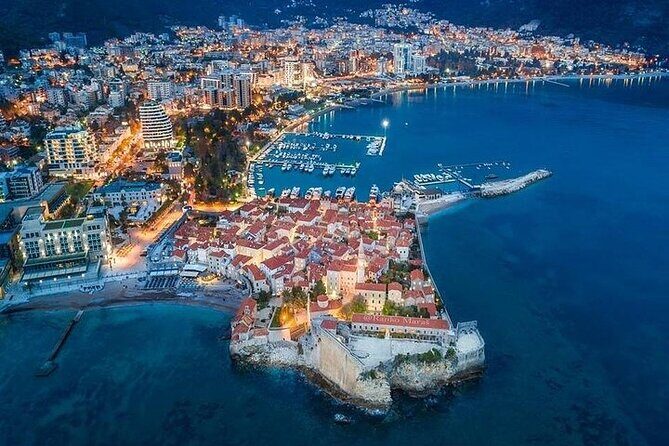
From Cetinje, it’s about an hour to Budva. On the way, you stop at Vidikovac of Budva for a photo break. This is one of those practical stops that works for almost everyone: you get a high viewpoint, you get your bearings, and you can take in the shape of the coastline before you hit the streets.
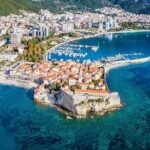
Then comes Budva, known as the capital of tourism in Montenegro and one of the country’s most popular destinations. You’ll see beaches, but the tour’s focus is the old town.
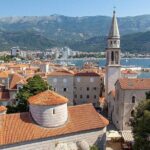
The old city center sits on a peninsula and is surrounded by walls. The streets are narrow and winding, and that layout is why the area feels old rather than just crowded. You’ll learn about and notice churches and historical buildings, including:
- Church of Saint John (7th century)
- Saint Mary of Punt (8th century)
- Church of Saint Sava (12th century)
- The medieval fortress area called the Citadel
Your guide adds stories here, and that’s where the walking becomes more than moving from one photo to the next. You’ll start to connect the buildings to each other instead of treating them as separate sights.
The time you have is enough to get a good feel for the old town. Still, Budva is a busy coastal town, so if you’re not a fan of crowds, you’ll want to keep your expectations grounded. The tour gives you the chance to enjoy the walk without needing to plan your own routes.
Other Great Montenegro day tours we've reviewed in Kotor
Kotor Old Town: UNESCO walls, the Sea Gate, and finding the best squares
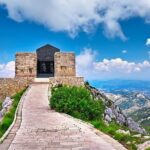
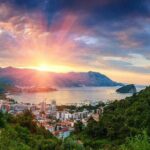
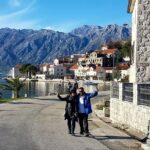
Finally, the tour returns to Kotor, and the city meets you in a big way. Kotor is part of the UNESCO world heritage list, and the structure of the old town is visible right away. You’ll hear about the 4.5 km long wall that once protected the city and now challenges you if you want to reach the fortress of San Giovanni.
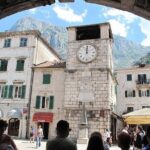
You enter through the Sea Gate, and you’re greeted by a clock near the entrance. That kind of detail matters because it helps you orient quickly. From there, the Old Town’s palaces of noble families reflect Venetian cultural influence and architecture, and you can feel the layers as you walk.
The guided portion includes key moments like the Cathedral of St. Tripun, and then you get time to roam. There’s time to walk through streets and squares and even grab a coffee in the main area.
If you’re trying to decide what to do once the guided tour ends, I’d use this simple approach:
1) Find the main square and get your bearings.
2) Pick one direction and walk until the streets shift or you hit a viewpoint.
3) Stop when something looks like a church or a courtyard, not only when it’s marked.
Kotor is made for that kind of wandering.
Price and value: what you’re paying for, and what you might still cover
This private tour runs about $224.76 per person for roughly 7 hours. For a day that covers four major locations and includes private transportation, a guide, and a tasting, that price can make sense, especially if you’re traveling with a small group.
Here’s what’s included:
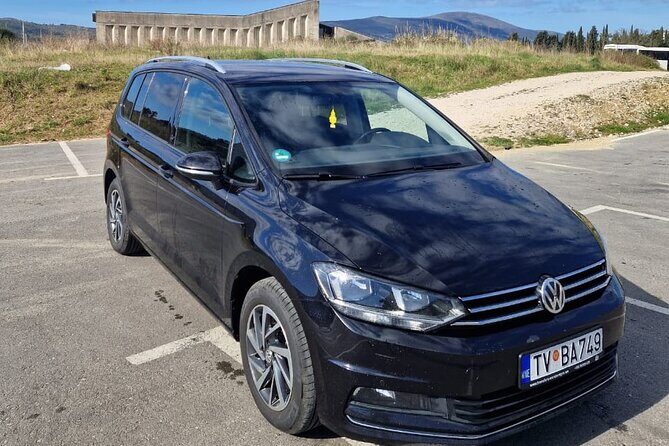
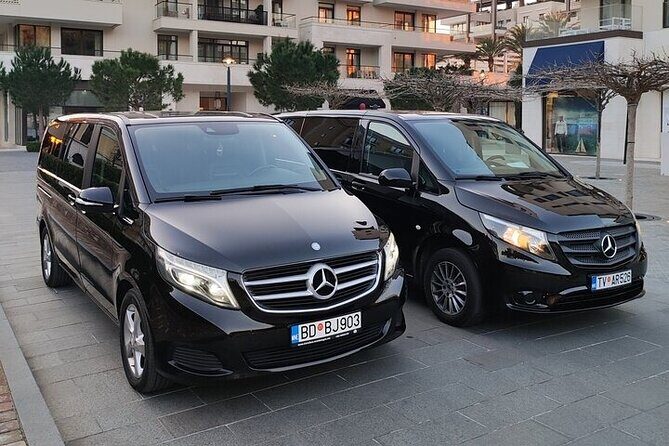
- Air-conditioned vehicle and private transportation
- Snacks in the form of the Njegusi food tasting
- An English or Russian speaking driver/guide
- Free time at stops as part of the schedule
- A mobile ticket
- Pickup is offered (the team confirms your time and address)
What isn’t included:
- Lunch, drinks, and snacks you buy on your own
- Entrance fees for museums listed as 5 Euros
- Tour guide tip
A key value point: the schedule mentions admission ticket free for the main stops, so your extra spend may be limited if you avoid paid museums. That said, if you do want museum time, budget that small entrance cost.
Also, remember you’re paying for the logistics: the drive, the timing, and the guide’s interpretation. If you tried to DIY all of this, you’d spend a lot of time figuring out routes, parking, and where to stop for the best viewpoints.
Comfort, fitness, and road conditions you should plan for
Even though the stops aren’t framed as a long hike, the tour does say you should have strong physical fitness level. That’s usually code for uneven sidewalks, stairs, and walking in old towns.
The other factor is the route itself. The day includes the climb on a winding road with switchbacks. So choose clothing and footwear that handle uneven paving and keep you steady.
If you’re sensitive to vehicle motion, talk to your guide at the start and use your usual anti-nausea routine. And if the weather turns, keep in mind the experience depends on good weather. When conditions aren’t right, the plan may shift.
Who this private route suits best
This tour is a great fit if you want:
- A private day with pickup and a guide, not a shared bus marathon
- A mix of scenery, stories, and structured stops
- One food-focused moment (Njegusi tasting) without needing to plan meals
- Time in Kotor and Budva where you can actually wander
It may be less ideal if:
- You hate curvy roads and don’t do well on mountain climbs
- You want lots of museum time (some entrances may cost extra, like the noted museum fee)
- You’re looking for a slower, single-city focus rather than a multi-stop circuit
In practice, the best match is someone who likes variety but still wants guidance so the day doesn’t become stress.
Should you book this Mini Montenegro Private Tour from Kotor?
If you’re balancing time and want to see Njegusi, Cetinje, Budva, and Kotor in one organized day, I’d say yes—especially for the way the tour connects views, food, and history instead of acting like a drive-through.
The strongest reasons to book are simple: the serpentine road viewpoints and the Njegusi tasting give the day a memorable backbone, while Cetinje and Kotor add context you can actually use to understand what you’re seeing. Add in a friendly guide like the one people described (Balsa came up with praise for driving and answering questions), and you’re likely to feel taken care of.
My one caution: go into it knowing it’s an active day with mountain roads and walking. If that sounds good to you, this is a smart way to get a serious slice of Montenegro.
FAQ
FAQ
Where does the tour start?
The tour is based in Kotor, Montenegro, and it starts from there.
How long is the tour?
The duration is listed as about 7 hours.
Is pickup included?
Yes. Pickup is offered, and the team contacts you to confirm the correct pickup time and address.
Which languages are available for the guide?
The driver/guide is available in English or Russian.
What food is included?
You get snacks in the form of a Njegusi village food tasting, including smoked ham and cheese.
Are entrance fees included?
Admission tickets for the main stops are indicated as free, but museums entrance fees (5 Euros) are not included.
Is this tour private?
Yes. It’s a private tour/activity, meaning only your group participates.
What happens if the weather is bad?
The experience requires good weather. If it’s canceled due to poor weather, you’ll be offered a different date or a full refund.