REVIEW · DUBROVNIK
Montenegro & Bosnia 2 Countries in 1 Day Tour from Dubrovnik
Book on GetYourGuide →Operated by Ragusa Tours · Bookable on GetYourGuide
Two countries. One long day. I love how this tour links Kotor Bay sights with Perast scenery in one shot, and I also love the way it slows down just enough for real city walks instead of endless bus time. The only drawback: the day is packed, so you’ll have limited time in each Old Town and you may need to skip add-ons to stay on schedule.
You’re riding in a private setup with hotel pickup and drop-off, and you’ll be guided in English. Guides can bring the day to life; one guide named Ivan Kekez is praised for energy, while a separate negative review complained about attitude and fast driving, so it’s smart to go in with clear expectations.
In This Review
- Key highlights to look for
- A two-country day that actually feels organized
- Dubrovnik to Trebinje: crossing fast, starting strong
- Trebinje in about 100 minutes: views, faith, and shaded old streets
- Hercegovačka Gračanica hill for panoramic context
- Eastern Orthodox Church of Holy Announciation
- Trebinje Old Town: Austro-era alleys and Ottoman walled corners
- Montenegro’s Bay of Kotor drive: the scenic warm-up you need
- Perast for about 1 hour: small town, big view angles
- A quick Perast photo stop
- Our Lady of the Rocks: an optional boat to an artificial islet
- Kotor Old City for about 2 hours: Venice-era streets and church stops
- Time on foot inside the city walls
- What you might prioritize inside Kotor
- Lunch: optional and on your dime
- Guide quality and pace: the difference between a good day and a great day
- Notes from reviews you should take seriously
- What’s included versus what costs extra
- Logistics you’ll want to plan for
- Bring your passport
- Expect a long day on the road
- Traffic and crowds are real in Kotor
- Who this tour fits best (and who should skip it)
- Should you book this Montenegro & Bosnia day trip?
- FAQ
- How long is the tour?
- Where does the tour start and end?
- Is it private, and how many people are in the group?
- What stops are included during the day?
- Do I need a passport?
- What language is the tour guide?
- Is the boat to Our Lady of the Rocks included?
- Is lunch included in Kotor?
- What’s the cancellation policy and do I pay immediately?
Key highlights to look for
- Trebinje old streets and viewpoints with a mix of Orthodox and Ottoman-era stops
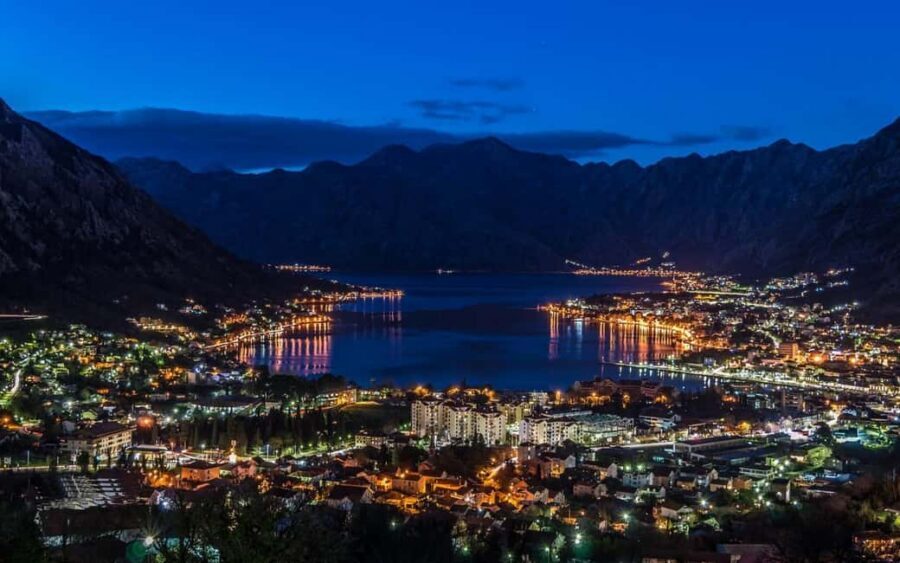
- Bay of Kotor drive-by photo stops through villages like Bijela, Kamenari, Verige, Morinj, and Risan
- Perast at the waterline, with a short optional boat trip to Our Lady of the Rocks
- Kotor Old City on foot with time for churches, squares, and optional fort views
- Small-group feel with a cap on total travelers (and a private format for your group)
A two-country day that actually feels organized
This is a true “maximize your time” tour. You start in Dubrovnik, cross into Bosnia and Herzegovina for Trebinje, then head into Montenegro for the Bay of Kotor region—Perast and Kotor—before returning by night. The value here is simple: in 12 hours you cover two countries that most people only touch briefly.
The itinerary also avoids the worst kind of multi-country day, where every stop is just a quick roadside look. You get real walking time in Trebinje and Kotor, plus scenic Bay of Kotor driving that helps you understand why this area became such a magnet for sailors and empires.
Dubrovnik to Trebinje: crossing fast, starting strong
The route begins with pickup from your Dubrovnik hotel. From there, you’re looking at a quick push toward Bosnia i Hercegovina, with Trebinje reached in about 30 km by road. Even if you’re used to road trips, this kind of crossing feels like a mini adventure day—new country, new language sounds, and a different pace of life.
The guide frames the transition well, using Trebinje as the anchor city for eastern Herzegovina. That matters, because the day can feel like three separate places unless someone gives you a thread to follow.
Trebinje in about 100 minutes: views, faith, and shaded old streets

Your Trebinje time is about 100 minutes, and it’s built around three things: viewpoint drama, religious context, and Old Town texture.
Hercegovačka Gračanica hill for panoramic context
You visit Hercegovačka Gračanica, then have the option to climb uphill for broad views over Trebinje, the Friar’s field area, the Trebisnjica River, and the Leotar mountain in the background. If you like “put the town on the map” moments, this is the payoff. It helps you understand the valley setting, not just the buildings.
Eastern Orthodox Church of Holy Announciation
From the hill, the tour shifts to religion and local tradition with the Eastern Orthodox Church of Holy Announciation. The focus isn’t only architecture—it’s how faith shapes the rhythm of community life and what locals consider important.
Trebinje Old Town: Austro-era alleys and Ottoman walled corners
Next comes Trebinje Old Town, including 19th-century Austrian alleys and squares under thick shade from Great Plane Trees. Yes, shade matters here. In a long day, even 15 minutes of walking in a cool pocket makes the whole town more enjoyable.
You also get a walk through a 17th-century Ottoman Turkish walled part of the city, entering through an auxiliary town gate to the riverfront. That layering—Ottoman walls, Austrian-styled streets, and modern life flowing behind them—is exactly why Trebinje feels different from other Balkan towns.
You may also spot the colorful farmers’ market during the walk. One helpful way to use your short time: pause in the market area and just watch how people move—then you’ll notice the city details the guide points out.
Montenegro’s Bay of Kotor drive: the scenic warm-up you need
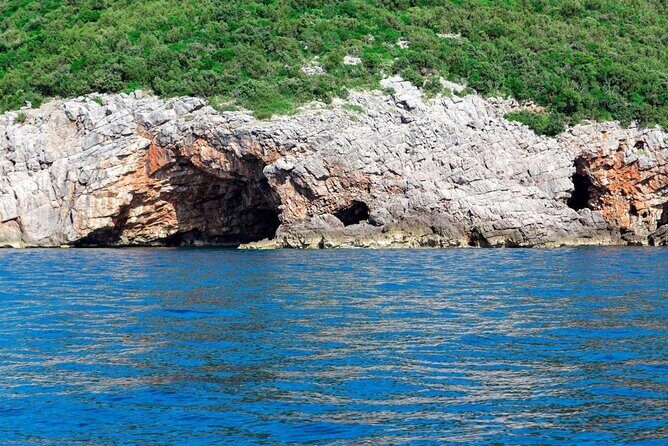
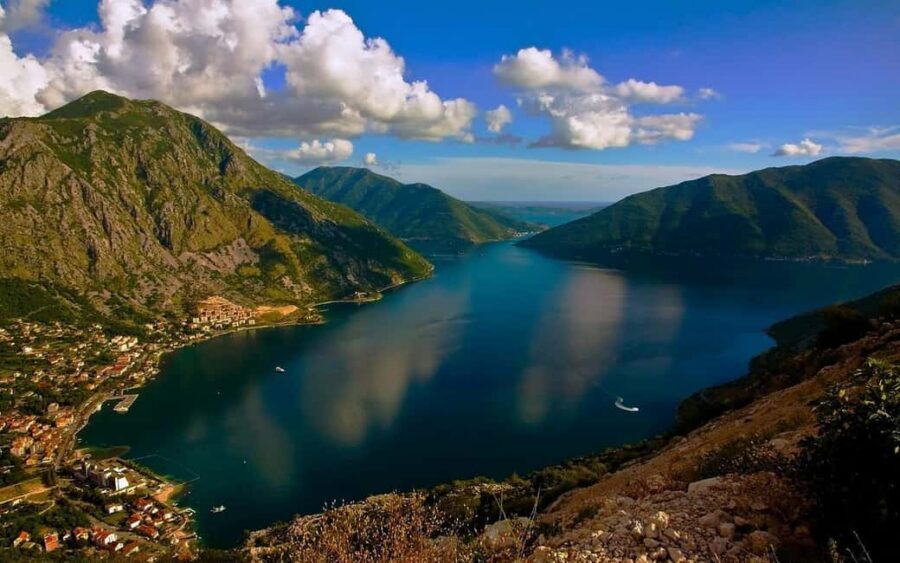
After Trebinje, you head toward Montenegro and start with the Bay of Kotor drive-by segment. You’ll pass through villages including Bijela, Kamenari, Verige (with a photo stop), Morinj, and Risan. It’s not just scenery for scenery’s sake. This drive helps you understand the geography—narrow water, steep sides, and the way settlements hug the coastline.
It also sets expectations: by the time you reach Perast and Kotor, you already know you’re entering a kind of protected fjord-like bay system. That makes the later views feel less random and more earned.
Perast for about 1 hour: small town, big view angles
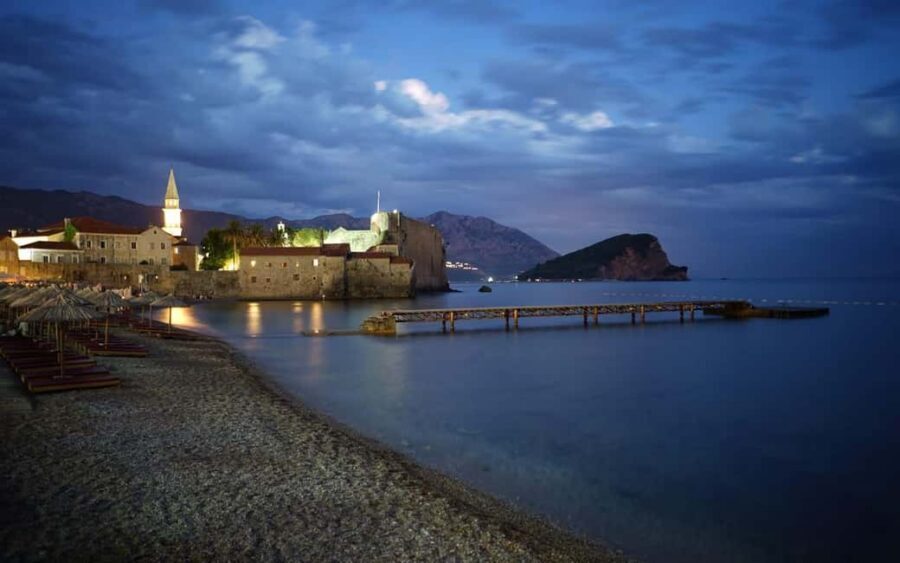
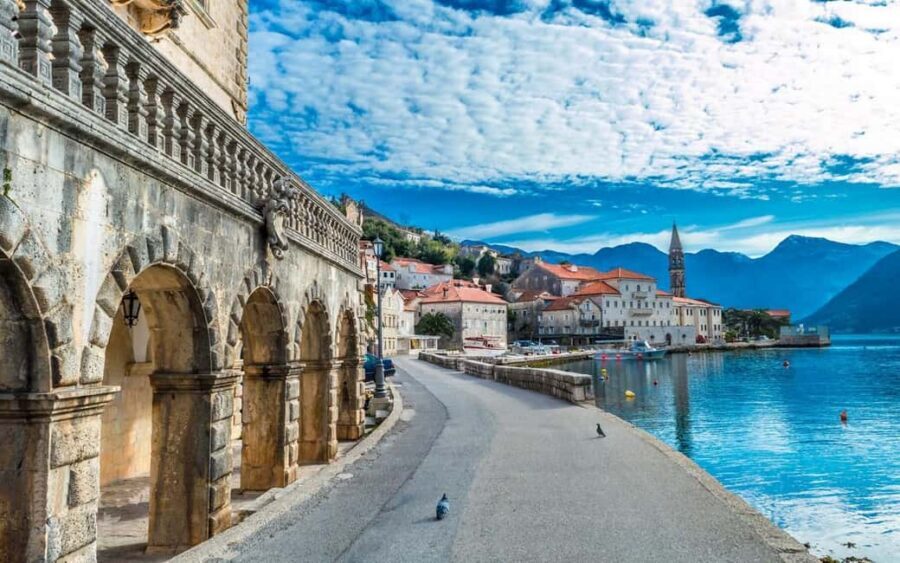
Perast is your Montenegro first stop, and it’s only about one hour. That sounds short, but it works because the town’s real story lives in its waterfront views and compact street layout.
A quick Perast photo stop
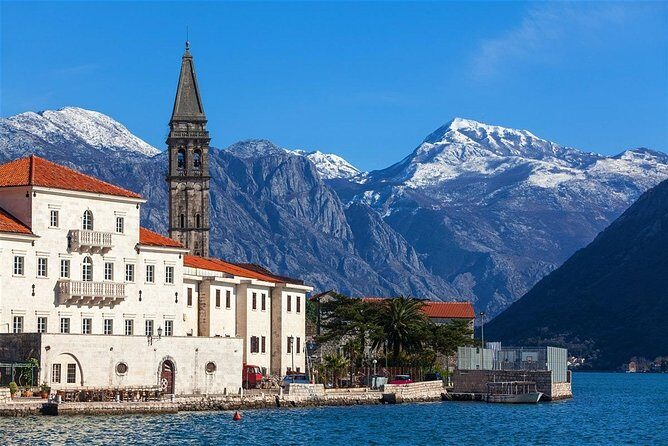
You get a brief time in the small town of Perast before you settle in for the bay panorama. One of the main reasons to include Perast is that you see Kotor Bay’s islands and viewpoints from angles that you don’t get in Kotor Old City.
Our Lady of the Rocks: an optional boat to an artificial islet
The highlight is the view of Saint George Island and the Our Lady of the Rocks area. There’s an optional private boat you can hire for a short ride—about a mile—to the artificial islet. The island visit includes the church and museum, but it’s an extra charge.
This is one of those decisions you’ll have to make on the day. If you love boats and want a break from street walking, it’s a good add-on. If you prefer a slower pace, you can simply enjoy the bay views from shore and stay on schedule for Kotor.
Kotor Old City for about 2 hours: Venice-era streets and church stops
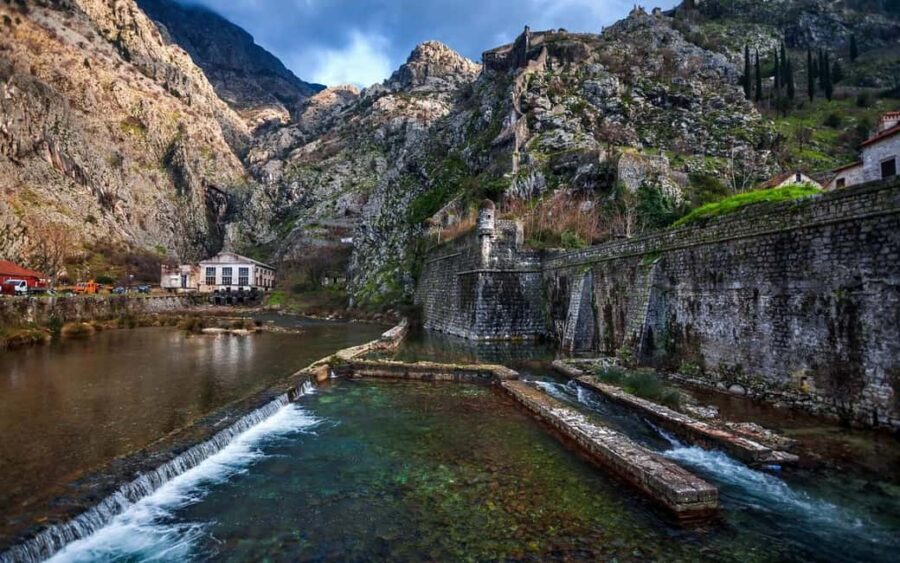
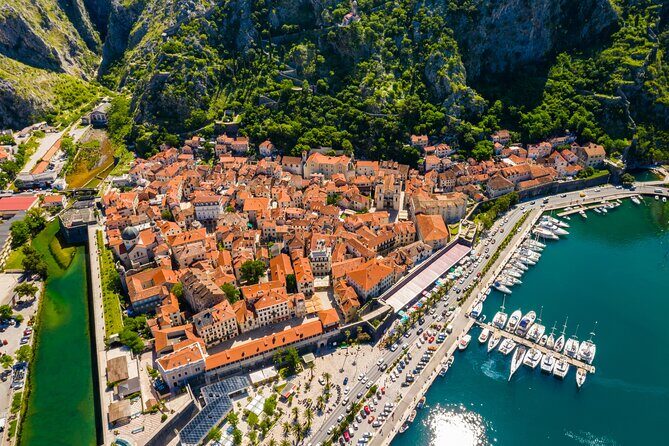
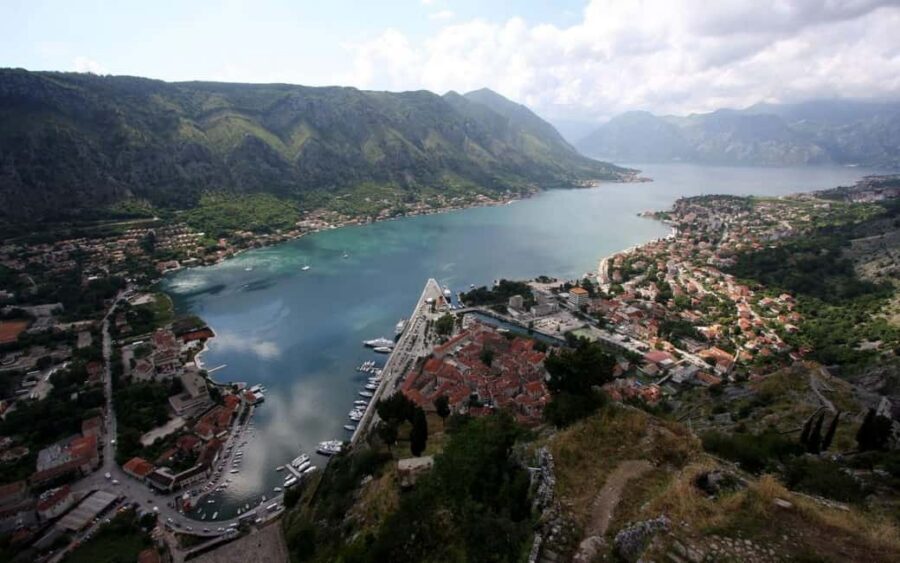
Kotor is the main “big name” stop, and you get about two hours to explore the Old City. The town used to be an independent city-state and later came under Venetian influence in the 14th century, which shows in the feel of squares and the way streets funnel you toward key landmarks.
Time on foot inside the city walls
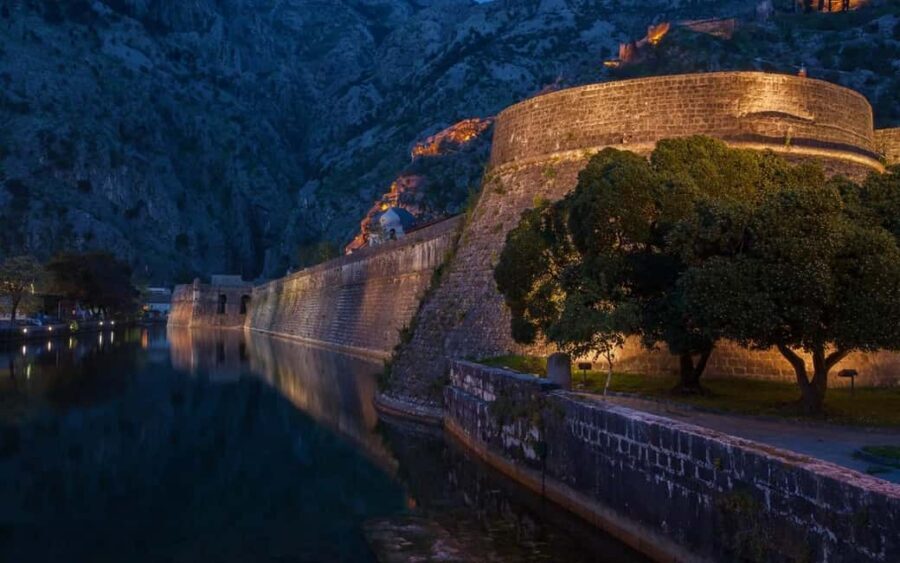
You’ll have time to wander narrow streets, sunny squares, and churches. One practical warning: Kotor can feel crowded, with traffic outside the walls and pedestrian congestion once you’re inside. The tour’s timing matters, so lean into the walking plan rather than trying to race across everything.
What you might prioritize inside Kotor
Depending on how your guide manages timing, you may have stops suggested for:
- Romanesque Cathedral of Saint Triphon
- Maritime Museum of Kotor
- Saint Nicolas Serbian Orthodox Church
You may also have the chance for a climb to Saint John’s Fort above the city. The altitute is listed as about 750 ft, so this isn’t a casual stroll. If the day feels hot or your legs are tired, it’s okay to trade the climb for slower time inside the walls.
Lunch: optional and on your dime
Lunch is optional. If you want to actually eat without rushing, plan to treat lunch like your anchor meal, not something you squeeze in while walking. One review also noted a traditional Montenegro lunch, but that was at your expense—so assume food costs are extra unless your guide tells you otherwise.
Guide quality and pace: the difference between a good day and a great day
A tour like this lives or dies by the guide and driver. The best days feel like story-telling plus timing. You get background on daily life, religion, people, customs, and food—especially in Bosnia’s Trebinje segment and Montenegro’s Bay of Kotor context.
English-language guiding is provided, and the small-group format helps. The tour notes a maximum of 8 travelers, and it’s also described as private, meaning only your group participates. That combination usually means fewer waiting moments and more flexibility with small detours.
Notes from reviews you should take seriously
Most feedback about guides named Ivan is very positive for energy and professionalism, including alternate routes meant to reduce border wait times. Ivan Kekez is specifically praised for personality and know-how.
There is also one harsh negative review that complained about a guide being impatient, not waiting, refusing to take photos, and driving aggressively on the return. I can’t confirm how common that experience is, but I do think it’s fair to handle this like any cross-border road day: bring patience, and if you’re prone to motion discomfort, mention it at pickup.
A simple personal tip: bring water. One review complained no water was included.
What’s included versus what costs extra
Here’s how to think about value on this tour. The included parts are the hard work: hotel pickup/drop-off in Dubrovnik, a live English guide, and private transportation for a 12-hour cross-border loop. You’re paying for logistics that are hard to DIY—especially when you want both Trebinje and Kotor in one day.
What tends to cost extra:
- Boat hire for Our Lady of the Rocks (optional add-on)
- Lunch in Kotor (optional)
- Any meals or drinks beyond what your guide arranges during the day
Also, the agenda can include small local surprises. One review mentioned a stop for cheese and an impromptu wine tasting in Bosnia. That isn’t guaranteed based on the core outline, but it tells you the guide may sometimes build in short local experiences when timing allows.
Logistics you’ll want to plan for
Bring your passport
You’re required to bring a passport. This is non-negotiable for crossing between Bosnia and Montenegro.
Expect a long day on the road
The total duration is 12 hours. Even with good driving and efficient stops, you’ll be in a vehicle a fair amount. Wear shoes you can walk in comfortably inside Old Town areas—because you’ll do more steps than you might expect.
Traffic and crowds are real in Kotor
Kotor can be tourist-heavy, and pedestrian congestion inside the Old City walls is common. If you hate crowds, go slower and focus on one or two landmarks rather than trying to do everything.
Who this tour fits best (and who should skip it)
This is a strong choice if you want:
- Two countries in one day without planning and driving yourself
- A mix of scenic Bay of Kotor views plus actual Old Town walking
- An English guide who explains customs and daily life, not just monuments
You might want to skip it if you:
- Need wheelchair access (the tour is not suitable for wheelchair users)
- Hate tight schedules and prefer long museum hours
- Want a very relaxed pace with minimal driving
Should you book this Montenegro & Bosnia day trip?
I’d book it if your priority is variety: you want Trebinje’s valley feel and Old Town layers, then you want Montenegro’s dramatic coastline and the Kotor Old City vibe, all in one long day. The structure makes sense for short-stay visitors in Dubrovnik who don’t want to sacrifice a whole day to travel planning.
I would also go in with a “prepared for extra costs and crowds” mindset. The boat to Our Lady of the Rocks is optional and costs extra, lunch is optional, and Kotor can be crowded inside the walls.
If you’re choosing between tours, this one is often a good value because it compresses a lot of ground while still giving you time to walk. Just make sure your expectations match the pace, and bring essentials like a passport and water.
FAQ
How long is the tour?
The duration is listed as 12 hours.
Where does the tour start and end?
It includes pickup and drop-off from your hotel in Dubrovnik, and you return back to Dubrovnik at the end.
Is it private, and how many people are in the group?
It’s a private tour where only your group participates. The operator also states a maximum of 8 travelers.
What stops are included during the day?
You visit Trebinje (about 100 minutes), Perast (about 1 hour), and Kotor (about 2 hours). You also pass by scenic points along the Bay of Kotor during the drive.
Do I need a passport?
Yes. You should bring your passport.
What language is the tour guide?
The tour guide speaks English.
Is the boat to Our Lady of the Rocks included?
A boat to Our Lady of the Rocks is described as available for hire for an extra charge. The island visit includes the church and museum.
Is lunch included in Kotor?
Lunch is optional. The tour outline suggests lunch time inside Kotor, but it’s not stated as included.
What’s the cancellation policy and do I pay immediately?
You can cancel up to 24 hours in advance for a full refund. There is also a reserve now & pay later option.