REVIEW · KOTOR
Olive oil farm to fork experience & short walking tour of Kotor
Book on Viator →Operated by Kotor Private Tours · Bookable on Viator
Olive oil can taste like time travel. In Kotor, you’ll pair a short walk with an off-the-beaten-path farm visit in the Lustica region, where olive growing and oil making have been going for more than 2,000 years.
I especially like the family-owned estate access—you meet the people behind the olives and see the grounds they’ve had for 200 years—and I love the way the tour explains the shift from an old mill to today’s production.
The one thing to consider is simple: at $863.54 per group (up to 6), it’s a splurge compared with solo tours, and the activity runs only during the 9:00 AM–2:00 PM window.
In This Review
- Key Highlights (What You’ll Remember)
- Olive Oil Can Taste Like Time Travel: Why This Day Works
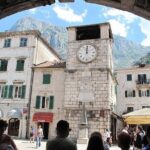
- Starting in Kotor Old Town with Lisette: The Quick Walk That Sets Context
- Lustica Olive Estates: More Than a Pretty Countryside Drive
- Meeting the Family on a 200-Year Estate: Where the Story Starts
- Old 150-Year-Old Mill vs Modern Anaerobic Press
- Olive Oil Tasting: Learn What Quality Tastes Like
- Farm-to-Fork Lunch: Brandys, Cheese, Prosciutto, and Apple Pie
- Daniel and Lisette: Guides Who Connect the Dots
- Price and Value: $863.54 per Group for Real Access
- Timing, Pace, and What 5 Hours Feels Like
- Who Should Book This Olive Oil Farm Day?
- Should You Book It? My Decision Checklist
- FAQ
- What is the location of this experience?
- How long does the tour take?
- Is pickup available?
- Is this tour private?
- What language is the tour offered in?
- Is there a mobile ticket?
- What does the olive farm part include?
- Is there walking in Kotor?
- What kind of food and drink are included?
- What are the operating hours?
- Can I cancel and get a refund?
- Is it suitable for people with service animals?
Key Highlights (What You’ll Remember)
- A short Kotor Old Town walking tour to set the stage before the countryside
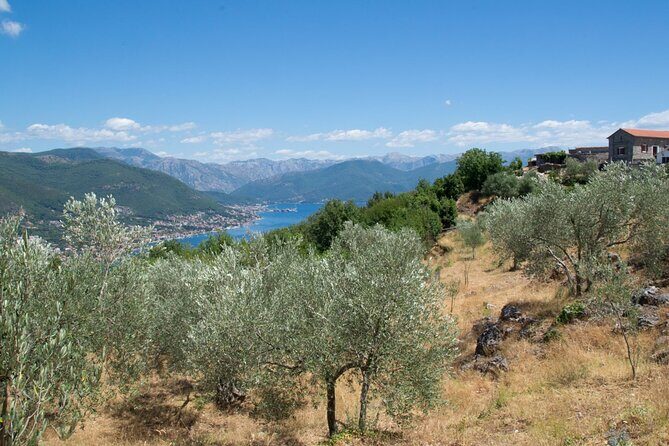
- Nearly 1,000 olive trees on a family estate, many far older than you’d expect
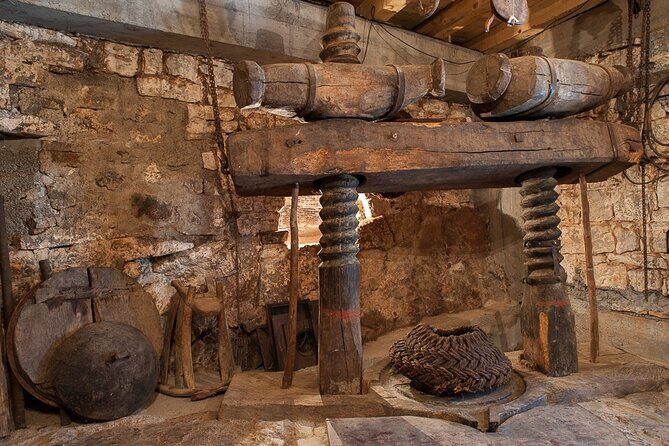
- An authentic 150-year-old mill plus today’s modern press using anaerobic production
- An olive oil tasting that teaches you what quality tastes like
- Farm-to-fork homemade lunch, including cheese, prosciutto, olives, and apple pie
- A local guide pairing: Daniel for the farm day and Lisette for the Kotor walk
Olive Oil Can Taste Like Time Travel: Why This Day Works
This experience is built around a rare combo: you learn how olive oil is made, then you eat like the family who makes it also shares their table with you. In Kotor, that means you’re not stuck with just photos and a quick sip at a shop. You’re doing the full story—trees to oil, then oil to lunch.
I also like that it’s private. Your group stays together, the pace feels human, and questions land right when you have them. If you enjoy food that actually comes from somewhere, this tour is the kind of day that sticks.
The day is also practical. It runs about 5 hours, includes a short Kotor walk, and then you go out to the Lustica countryside. For most people, that’s an easy way to see more than just the postcard angles.
Other Kotor Old Town walking tours we've reviewed in Kotor

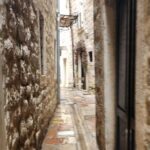
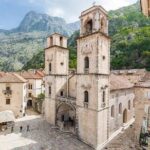
Starting in Kotor Old Town with Lisette: The Quick Walk That Sets Context
Kotor Old Town can feel like a living maze, and that matters here because the rest of the day is about roots—literal ones. The experience begins back in Kotor, and if you meet at the Old Town or port, you’ll be met by a sign with your name.
In past tours, Lisette has led the short walking portion, and that’s a big part of why this day feels more than a drive and a meal. She helps you get oriented fast, and you start picking up the city’s layout and stories before the countryside work begins.
This is not a long hike. It’s a short walk meant to help you connect. You’ll have time to shift gears from stone streets to olive groves without feeling rushed or worn out.
If you’re tight on time in Kotor, this format is a win: you get both the old town vibe and the region’s food culture in one go.
Lustica Olive Estates: More Than a Pretty Countryside Drive
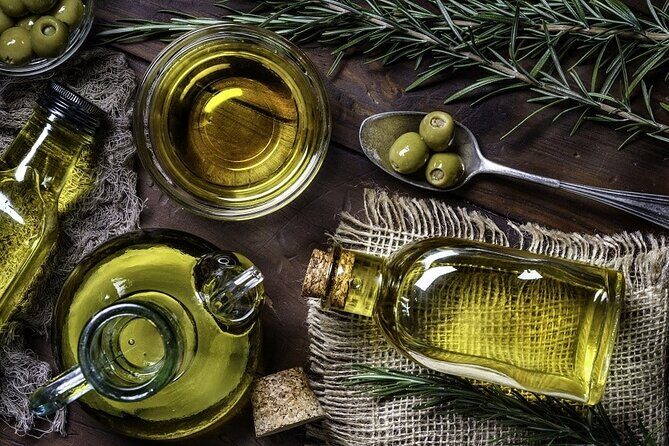
Once you head out, the focus becomes the Lustica region and what it has been producing for centuries. The point isn’t just that olives are grown here—it’s that olive oil production is part of local life and culture.
You’ll learn how the olives are cultivated and how oil fits into the family’s routines. The tour sets up the big contrast: the old way of making oil, then the newer methods. It’s a simple framework, but it makes the farm time much easier to follow.
From the perspective of what you’re getting, this part is valuable because it gives you context for taste. If you know why a family built their process the way they did, tasting the oil afterward feels way more meaningful.
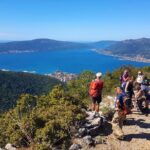
Also, the farm visit comes with scenery and breathing space. You’re not just transported; you’re given time to stop, look out, and understand you’re in olive country.
Meeting the Family on a 200-Year Estate: Where the Story Starts

At the estate, you meet the family and tour their property. They’ve owned the land for 200 years, which matters because it’s not a pop-up operation. You’re walking through a place with continuity.
Then you move among close to 1,000 olive trees, and the tour emphasizes that many of them are centuries older. That’s one of the easiest parts to grasp visually: the trees aren’t a photo-op; they’re the working backbone of the farm.
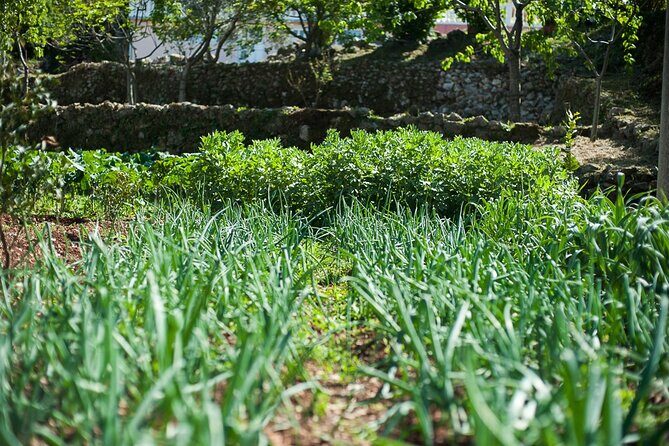
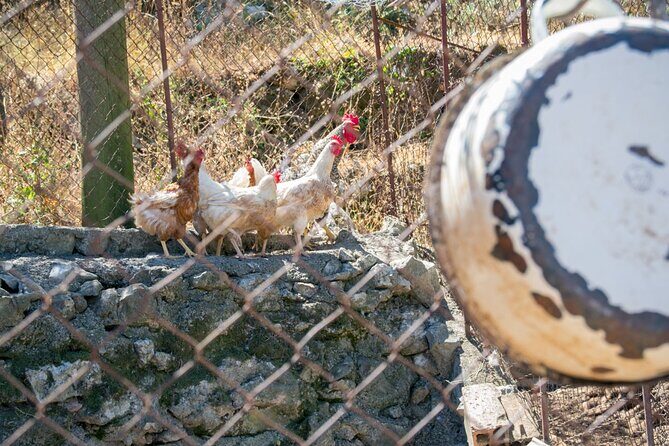
This is also where the “farm-to-fork” part feels real. The family grows vegetables and keeps animals on the estate, so the lunch isn’t just a catered plate. It’s connected to how the property runs.
Ilija, the man behind the operation, typically joins the conversation. That’s useful because it turns the day into a back-and-forth discussion instead of a one-way lecture. You’ll likely hear how life in this area changed as the oil process improved.
Old 150-Year-Old Mill vs Modern Anaerobic Press
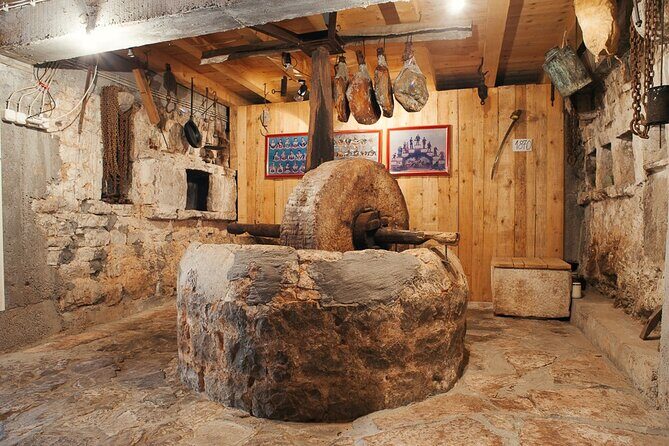
One of the most interesting parts of this tour is how it treats the technology like part of human history. You’ll see the authentic 150-year-old mill, which shows the older method of producing olive oil.
Then you’ll see how production works today with a new modern olive press. The tour explains that their modern process uses anaerobic production, which is a technique meant to manage oxygen exposure during processing.
Even if you don’t know the chemistry, you’ll get the practical takeaway. The family explains how the shift changed their lifestyle and day-to-day work. That’s the kind of detail that makes a tour feel grounded instead of gimmicky.
Also, watching the transition from old stone equipment to a modern press helps you taste with more intelligence. When the tour later points out what “good” tastes like, you’ll know you’re tasting something made with intention.
Other walking tours we've reviewed in Kotor
Olive Oil Tasting: Learn What Quality Tastes Like
After the production tour, you move into the tasting part. This is where I think a lot of people surprise themselves—in a good way.
The tasting helps you appreciate nuance. You learn how to discern quality in olive oil, not just whether you like it. You’ll also taste local olive oil in a context that makes sense, because you’ve already seen trees, mills, and the production method.
It’s also helpful that the talk doesn’t stay academic. You’ll get a chat with Ilija about the oil business and life in the area. That personal angle makes the tasting feel less like a chore and more like a conversation with a craft.
If you like food souvenirs, this tasting is the best kind. It doesn’t push a hard sell; it gives you your own taste criteria, so if you buy later, you’ll have reasons behind your choice.
Farm-to-Fork Lunch: Brandys, Cheese, Prosciutto, and Apple Pie
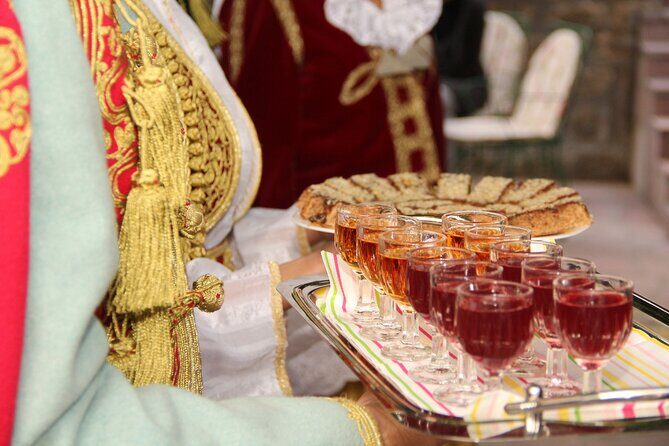
Food is central here, and the lunch is built from homemade local items. You’ll start with a welcome drink, typically homemade cherry or grape brandy. That’s a strong start because it sets a local tone right away.
Then you’ll have organic olive oil as part of the tastings, along with bread in a homemade style. After that, the meal turns into a mix of local favorites, often including cheese, prosciutto, and olives.
The tour also highlights the family’s wider farm cooking: smoked ham, bacon, sausages, homemade cheese, salad, and apple pie. In other words, you’re not just eating a small sample—you’re getting a real meal that fits the day’s theme.
What I like most is that this lunch happens while you rest and take in the scenery. So you’re not rushing from one “activity” to the next. It feels like a break that belongs in the countryside rhythm.
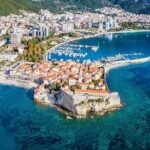
And yes, the views help. In past versions of the day, Daniel has driven people a bit out of the way for a great view of the harbor afterward, which makes the lunch feel like a true reset.
Daniel and Lisette: Guides Who Connect the Dots
This day has a strong guide setup. Daniel has typically handled the farm-side experience, while Lisette has been known for the short Kotor walking tour. When both parts connect, you get a smoother story arc.
Daniel’s value is that he explains what you’re seeing in the olive process without making it stiff. He also adds small contextual touches—like how the harbor fits into the region’s sense of place—so the day feels cohesive.
Lisette’s contribution is timing and clarity. When she leads the walking portion, you come out with your bearings and a sense of why Kotor matters before you head to Lustica.
Even if you’re not a history nut, this pairing helps you stay engaged. You’re less likely to treat the farm as just another lunch stop, because the guides keep connecting the dots between city life, rural production, and local food culture.
Price and Value: $863.54 per Group for Real Access
Let’s talk money in a practical way. The cost is $863.54 per group, for groups up to 6 people. That means the price works best when you’re splitting among a small group—friends, a couple, or a family unit.
If you’re traveling solo, the per-person cost can feel high compared with standard tours. But you’re paying for two things that are hard to get cheaply: private group access and a farm visit that includes the actual production environment plus tasting and homemade lunch.
Think of it like this: you’re not just paying for transportation out of town and a meal. You’re paying for time in someone’s long-running estate, access to both a 150-year-old mill and a modern anaerobic press, and a tasting led by people who make the oil.
Also, the day includes English and pickup by sign if you meet at either Kotor Old Town or the port. That saves you time figuring things out and keeps the day smooth.
For the kind of experience this is, value comes from the full package. You’re doing a story-first food day, not a quick stop.
Timing, Pace, and What 5 Hours Feels Like
The tour runs about 5 hours, which is a good length for this kind of day trip. Long enough to do the farm, tasting, and lunch. Short enough that you’re still likely to have energy afterward for Kotor itself.
Operating hours run from 9:00 AM to 2:00 PM, Monday through Sunday. That’s not late morning or afternoon by accident—it’s timed for a reasonable daylight window and a calm flow between town and countryside.
The pace also tends to be steady because it’s private. You’re not competing with a bus schedule. You can ask questions as they come up, especially during the old-to-new olive oil production explanation.
One practical point: this is still a working estate day. Even though the walking is manageable, you’ll want comfortable shoes and a light layer if the weather shifts.
Who Should Book This Olive Oil Farm Day?
This experience is a strong fit if you want food that feels earned. If you like learning how something is made and then eating it right away, you’ll enjoy the way the tasting follows the production tour.
It also suits people who want a quieter, more local Kotor day. Instead of spending your time only on viewpoints, you’ll spend time with the people behind the region’s most important crop.
If you’re traveling with up to 6 people and want a private day with English support, this hits a sweet spot. It’s also a good match for couples or friends who want one “big” food experience rather than three small ones.
If you dislike tasting menus, or if you’re not interested in olive oil at all, you might find the day less satisfying. But if you even mildly care about olive oil quality, this tour gives you a real reason to pay attention.
Should You Book It? My Decision Checklist
Book this tour if:
- You want real olive oil production access and not just a shop stop
- You like seeing the difference between old milling and modern processing
- You want a full homemade lunch tied directly to the farm
Skip or rethink if:
- Your schedule only allows very early mornings or late afternoons, since the day runs roughly 9:00 AM–2:00 PM
- You’re traveling solo and don’t want the private-group price
- You’d rather spend your day only in Kotor Old Town and skip the countryside
If your ideal Kotor trip includes a short old town orientation plus a farm day with tasting and lunch, this is one of the more satisfying ways to do it in about 5 hours.
FAQ
What is the location of this experience?
The experience is in Kotor, Montenegro, and it ends back at the meeting point in Kotor.
How long does the tour take?
The duration is approximately 5 hours.
Is pickup available?
Yes, pickup is offered. If you meet in Kotor Old Town or Kotor port, the team holds a sign with your name.
Is this tour private?
Yes. It is a private tour/activity, and only your group participates.
What language is the tour offered in?
The tour is offered in English.
Is there a mobile ticket?
Yes, a mobile ticket is offered.
What does the olive farm part include?
You’ll tour the estate, see olive trees, visit an old olive oil mill and a modern olive press using anaerobic production, learn about the process, and do an olive oil tasting.
Is there walking in Kotor?
Yes. The experience includes a short walking tour of Kotor.
What kind of food and drink are included?
A welcome drink is included, along with homemade food such as olive oil, bread, cheese and prosciutto with olives, and apple pie. A tasting-style meal and local items are part of the farm-to-fork lunch.
What are the operating hours?
The experience runs Monday through Sunday from 9:00 AM to 2:00 PM.
Can I cancel and get a refund?
Yes. There is free cancellation if you cancel at least 24 hours in advance. If you cancel less than 24 hours before the start time, the amount paid is not refunded.
Is it suitable for people with service animals?
Service animals are allowed, and most travelers can participate.